Rodent Smoke Test is described clearly in this readable guide
Everything about the Rodent Smoke Test: A Proven Method for Identifying Rodent Infestations
The Rat Smoke Examination acts as a valuable diagnostic tool for discovering rodent invasions in buildings. By utilizing non-toxic smoke, this approach reveals air flow patterns that can suggest prospective entrance factors. Recognizing how the test operates and the benefits it offers can significantly help home owners. The complexities of preparing for the examination and analyzing its results are essential for reliable execution. What important actions should one think about before performing this test?
What Is a Rat Smoke Test?
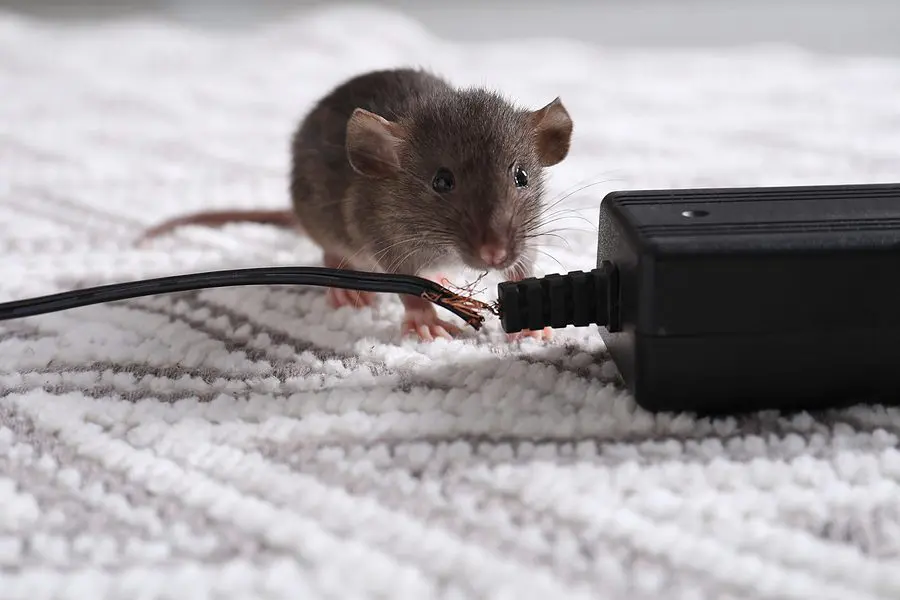
The examination is specifically effective in structures where rodent problems are thought, as it exposes hidden vulnerabilities that might otherwise go undetected. The smoke, which spreads easily, will get away via any openings, enabling specialists to pinpoint locations that call for sealing or repairs.
Eventually, the rodent smoke test works as an aggressive step in bug monitoring, aiding in the prevention of future invasions by guaranteeing that structures are effectively secured against unwanted wildlife. This method highlights the significance of preserving a safe and secure setting to deter rodents effectively.
Just How the Rodent Smoke Examination Works
The Rat Smoke Examination involves specific prep work actions to guarantee precise outcomes. Recognizing just how to analyze smoke patterns is essential for identifying potential rodent entry factors. This procedure gives beneficial understandings right into rodent habits and habitat preferences.
Test Preparation Steps
Effective prep work is essential for the effective implementation of the Rodent Smoke Test. This procedure starts with an extensive examination of the premises to determine prospective entrance points for rodents. Validating that all doors, home windows, and vents are securely shut will prevent any unintended retreat of smoke during the test. Next off, the area should be free from any items that could block the flow of smoke or disrupt the results. The smoke-generating tool must be positioned strategically to make the most of coverage of the examination area. Lastly, it is vital to inform occupants of the upcoming examination to assure their safety and security and comfort. Proper prep work sets the phase for exact cause recognizing rodent infestations.
Translating Smoke Patterns
When performing the Rodent Smoke Examination, analyzing the patterns of smoke is vital for recognizing covert rodent paths. As the smoke is presented into prospective entry points, it travels with any kind of openings or voids in the structure. Observers ought to keep in mind where the smoke spreads quickly, suggesting a straight course preferred by rats. Conversely, locations where smoke sticks around suggest that the pathway may be blocked or much less often made use of. Additionally, the direction of smoke motion can expose hidden nests or burrows. An extensive exam of these patterns permits pest control professionals to identify crucial areas for treatment, making sure an extra reliable obliteration approach. This approach highlights the value of detailed smoke evaluation in spotting rodent activity.
Benefits of Using the Rat Smoke Examination
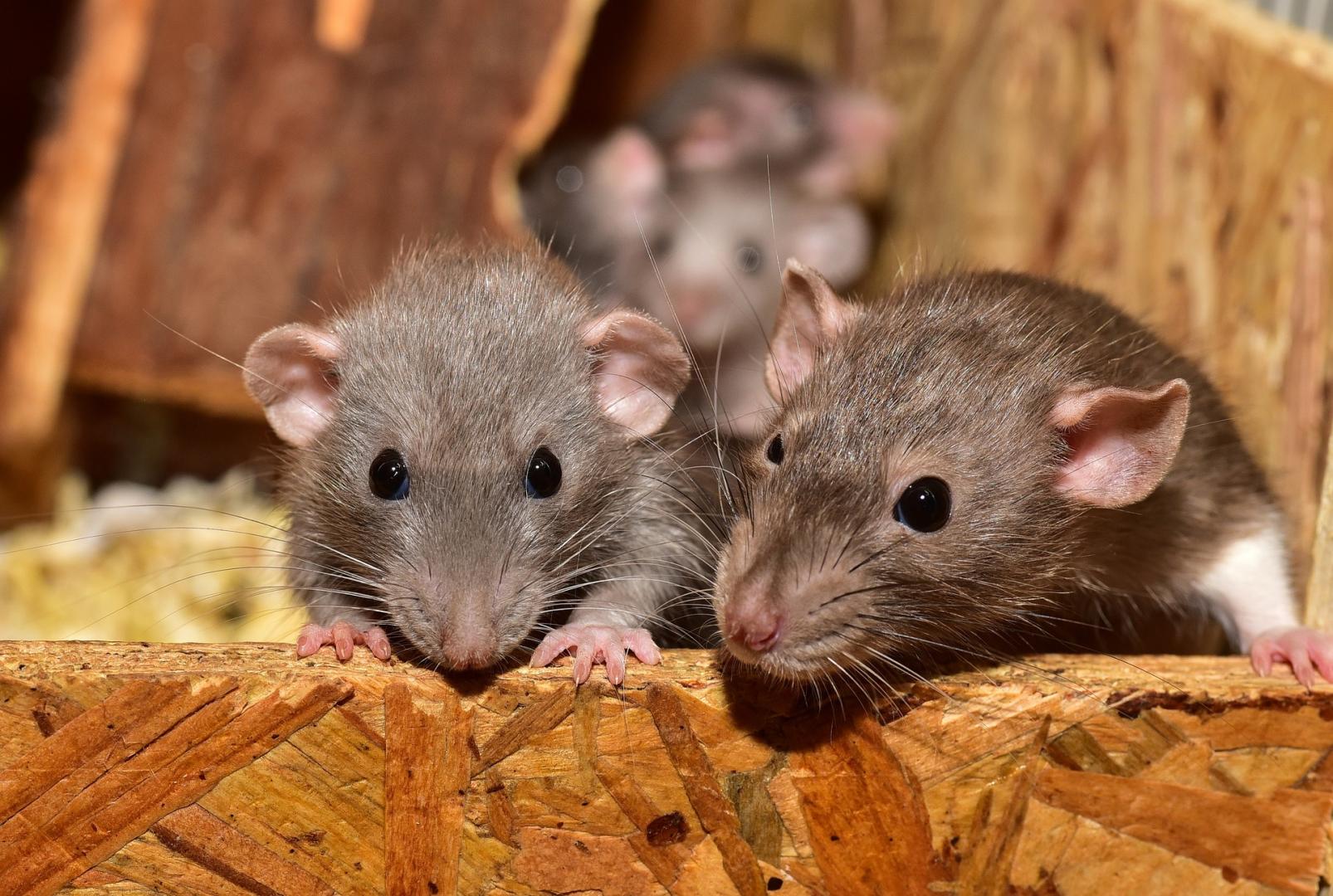
The Rat Smoke Examination uses substantial benefits in bug administration. Its quick detection method allows for the quick recognition of rodent problems, promoting prompt interventions. Furthermore, the non-invasive method minimizes disruption to the setting, making it a reliable option for property proprietors.
Quick Discovery Technique
Non-Invasive Strategy
Although numerous bug control approaches can be turbulent and intrusive, the Rat Smoke Test stands apart for its non-invasive nature. This technique uses harmless smoke to determine rodent paths without the demand for extensive excavation or structural modifications. By introducing smoke right into prospective access factors, residential or commercial property owners can quickly observe exactly how it takes a trip and where rats may be penetrating. This technique lessens disruption to the setting and existing frameworks, permitting for a quick evaluation of the infestation. Additionally, the Rat Smoke Test is effective in pinpointing trouble locations, allowing targeted interventions. As an outcome, it not just preserves sources yet likewise minimizes the anxiety commonly connected with more conventional pest control methods, making it an eye-catching alternative for lots of.
Determining Entrance Points and Nesting Areas
Determining access factors and nesting locations is vital in successfully handling rodent problems. Rodents are experienced at making use of little openings, commonly as small as a quarter of an inch. Usual entry factors consist of gaps around pipelines, windows, and vents, along with cracks in walls and foundations. Inspecting these locations completely can expose possible gain access to routes for rats.
Nesting locations can usually be found in hidden rooms such as attics, basements, or wall gaps - Rodent Smoke Test. Signs of nesting consist of droppings, nibble marks, and shredded products. Utilizing an organized method, homeowner need to conduct routine inspections, focusing on both outside and indoor areas. Monitoring for indications of task, such as footprints or hair, can also help in recognizing these vital areas. By determining entry points and nesting locations, reliable control measures can be carried out, protecting against additional rodent attacks and guarding the home
Planning for a Rodent Smoke Test
Planning for a rodent smoke examination requires careful planning and interest to detail to ensure efficient outcomes. The location needs to be completely inspected to determine prospective entrance points and nesting websites, making specific that all advice feasible areas are covered throughout the examination. Next, the atmosphere must be removed of any kind of blockages or things that might hinder the smoke's dispersion. It is necessary to seal any determined entrance points briefly, making use of materials such as tape or plastic to avoid outside air from diluting the smoke. In addition, the smoke resource must be carefully chosen, seeing to it it is appropriate for indoor use and safe for the citizens. Ultimately, it is suggested to alert any kind of structure passengers concerning the test routine to minimize exposure to smoke and ensure their safety. Complying with these actions will boost the efficiency of the rodent smoke test and offer more clear understandings right into potential infestations.
Interpreting the Outcomes of the Test
As soon as the rodent smoke test has been carried out, analyzing the outcomes becomes vital for recognizing the extent of any type of invasions. Rodent Smoke Test. Observers ought to carefully examine the locations where the smoke has actually escaped, as this shows possible entrance points for rodents. If the smoke spreads quickly with gaps, holes, or fractures, it indicates that these openings may be utilized by rats for access
Furthermore, the existence of smoke in particular areas can recommend nesting sites or paths regularly traveled by rats. Odorous deposits or dark discolorations left can even more validate active problems.
It is crucial to differentiate in between minor leakages and significant violations. A limited variety of smoke getaway points may indicate separated rodent task, while widespread dispersal suggests a more serious problem. Recognizing these outcomes allows homeowner to assess the seriousness of addressing the trouble and assists guide succeeding actions for efficient rodent control.
Next Steps After Conducting the Test
After interpreting the outcomes of the rodent smoke test, homeowner should take definitive activity to address any type of recognized problems. If the examination discloses paths utilized by rats, page prompt steps must be employed to secure these access points. This may consist of repairing holes, installing door sweeps, and enhancing vents.

Next off, homeowner need to take into consideration seeking advice from insect control professionals check my reference to assess the extent of the invasion and develop a customized elimination strategy. Regular monitoring and upkeep ought to comply with to avoid future occurrences.
Furthermore, it is necessary to remove prospective food resources by safeguarding waste and saving food correctly. Homeowner may additionally wish to perform further inspections to determine nesting websites or other indications of rodent task. By executing these actions, they can effectively alleviate the threats connected with rodent invasions, making certain a healthier living atmosphere.
Regularly Asked Inquiries
How Commonly Should I Conduct a Rat Smoke Test?
The suggested regularity for performing a rodent smoke test varies, however normally, it needs to be performed a minimum of twice a year or after any type of substantial architectural changes, guaranteeing recurring surveillance for possible rodent infestations.
Is the Smoke Used Hazardous to Family Pets or People?
When applied properly, the smoke utilized in the rodent examination is usually taken into consideration safe to animals and human beings. Individuals need to ascertain appropriate ventilation and get in touch with item standards to minimize any possible threats.
Can I Conduct a Rat Smoke Test Myself?
Carrying out a rodent smoke test independently is feasible, however it requires specific tools and understanding. Rodent Smoke Test. Proper safety preventative measures ought to be followed to assure efficiency and minimize threats to health and wellness and property throughout the process
What Should I Do if I See Smoke Escaping?
If smoke runs away throughout the test, the person must promptly cease the treatment, identify the resource of the leak, and analyze prospective entry points for rats. Consulting an expert parasite control service is advised for resolution.
Exist Any Alternate Methods to the Smoke Test?
Yes, different techniques to the smoke examination include utilizing infrared cameras to find heat trademarks, aesthetic inspections for droppings, and employing bait stations to keep track of rodent activity. Each approach offers special advantages for determining problems.
The Rodent Smoke Test offers as a beneficial diagnostic device for detecting rodent invasions in structures. When conducting the Rodent Smoke Test, analyzing the patterns of smoke is vital for identifying concealed rodent pathways. A fast and reliable detection technique, the Rat Smoke Test provides considerable benefits for recognizing possible entry points in structures. As soon as the rodent smoke test has been conducted, translating the results ends up being crucial for understanding the extent of any invasions. If smoke gets away during the examination, the individual should instantly discontinue the procedure, identify the source of the leak, and evaluate potential entry points for rodents.